Xiong'an
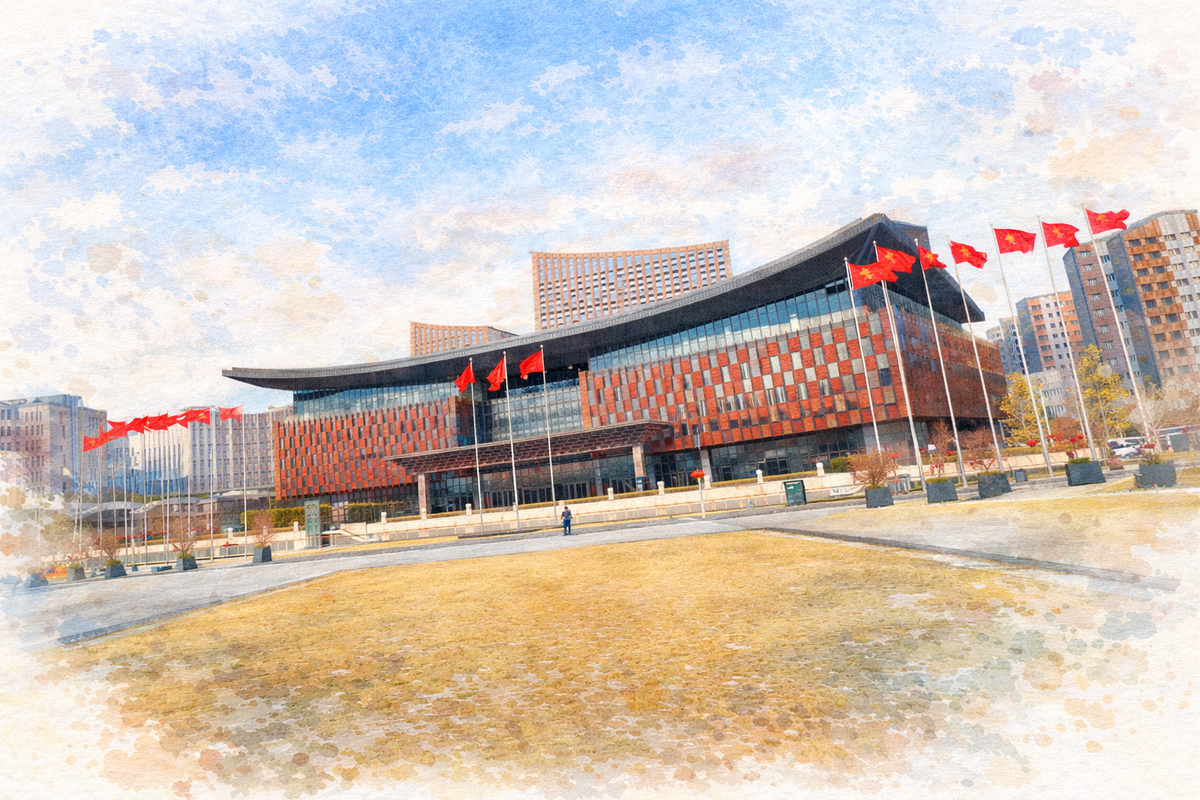
When China announced Xiong'an New Area in 2017, it didn't do so quietly. State media heralded it as the most significant new city project since Shenzhen, a comparison that, if you know what Shenzhen became, is either an extraordinary promise or an extraordinary act of hubris. The vision is genuinely sweeping: 2.5 million residents, AI-driven infrastructure, transit-oriented development, ecological restoration, low-carbon everything: a living blueprint for what China wants its urban future to look like, planted in farmland 100 kilometers southwest of Beijing almost entirely by government decree.
The strategic logic is sound enough. Beijing is one of the most congested and overloaded capital cities on earth, and China's growth has concentrated so heavily in Beijing and its coastal megacities that the interior has been left behind. Xiong'an is designed to fix both problems at once, pulling institutions, companies, and talent out of an overheating capital while seeding a new high-tech innovation hub in its shadow. It's an audacious bet that you can manufacture not just a city but an economic ecosystem, the kind of place that in most of the world's history has only ever happened organically.
Whether China can pull it off is a genuinely interesting question, even for a country with an unmatched track record of building things fast. Relocation has moved slowly. Private investment has been cautious, the kind of market hesitancy that no amount of government enthusiasm fully papers over. And there is a version of this story in which Xiong'an becomes a monument to the limits of top-down urbanism: impressive infrastructure, not enough people who actually wanted to be there. But there is another version, the Shenzhen version, in which a city willed into existence by the state eventually generates its own gravity. China has made that trade before. The world is watching to see if it can make it again.
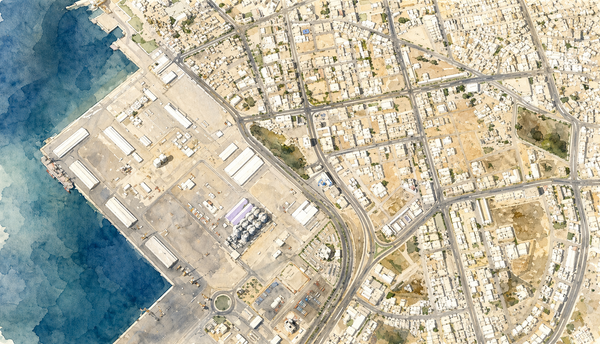
Xiong'an is a new city, not just a district. Located in Hebei Province, China, about 100 kilometers southwest of Beijing, Xiong'an was officially established in 2017 as part of China’s urbanization strategy. It is planned to be a high-tech, sustainable city designed to help decongest Beijing, reduce environmental pressures, and drive economic growth in the Bohai Economic Rim.
Xiong'an is envisioned as a completely new urban area, with modern infrastructure, residential complexes, commercial zones, and green spaces, intended to accommodate millions of residents. Unlike a district, which is an extension of an existing city, Xiong'an is built from scratch with a focus on innovation, sustainability, and high-tech industries, making it a distinct, self-sustaining new city.
Xiong’an has seen strong government-driven progress in infrastructure and planning, but its lack of organic economic momentum and population growth raises questions about its long-term success. If it can attract industries and residents at scale, it could move toward Full Ignition, but if it remains underpopulated, it risks stagnation.
Strengths:
- Strongest Possible Government Support: If any ghost city can be forced into success, it’s this one. Beijing is mandating government offices and state-owned enterprises (SOEs) relocate.
- Advanced Infrastructure: The city is being built with high-speed rail, high-tech energy systems, and ecological protections, theoretically making it “livable” if people ever move in.
- Long-Term Potential: Given enough time (and pressure), China could turn Xiong’an into something functional, but that remains hypothetical.
Challenges:
- Basically a Ghost City: Almost no one chooses to live there. The vast majority of housing sits empty, and there’s no real sense of urban life.
- No Economic Pull: Unlike Shenzhen, which had a clear economic driver (special economic zone, factories, private investment, and trade incentives), Xiong’an has no natural reason to attract businesses or talent.
- Government-Mandated Development Not Translating to Real Success: Many relocations to Xiong’an are forced, not voluntary. Even SOEs are dragging their feet on moving in, and private investment is extremely limited.
- China’s Economy is Slowing: The government has bigger economic problems, meaning pushing Xiong’an forward may not remain a priority.
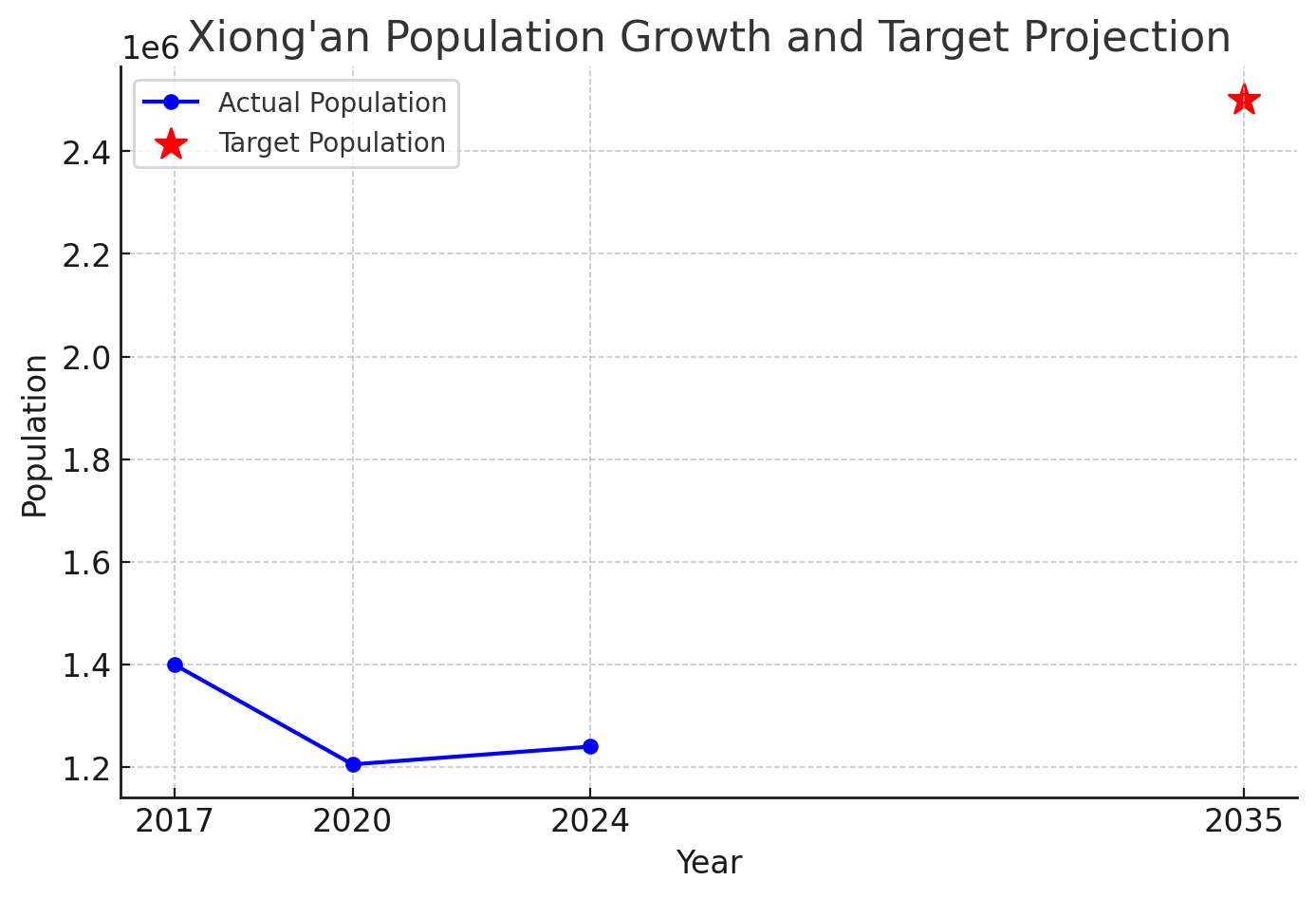
| Year | Event | Population |
|---|---|---|
| 2017 | Xiong'an New Area announced by the Chinese government | ~1,400,000 |
| 2018 | Master plan for Xiong'an approved (2018-2035) | N/A |
| 2019 | Beijing-Xiong'an Intercity Railway construction begins | N/A |
| 2020 | Xiong'an Railway Station opens; 2020 Census | ~1,205,440 |
| 2022 | 200+ projects under construction with $110B+ investment | N/A |
| 2024 | Estimated population update | ~1,240,000 |
| 2035 | Target population projection | ~2,500,000 |
DISCLAIMER: The information presented across New Cities Atlas reflects approximate understandings of each city's development status, population figures, statistics, and trajectory, compiled from publicly available sources. It should not be taken as verified or definitive fact. New city developments are, by their nature, a moving target, and information is often scarce, frequently imprecise, and subject to rapid change as projects evolve, stall, accelerate, or are revised entirely. We are doing our best to build as comprehensive and accurate a picture as we can of a phenomenon that resists easy documentation, and we appreciate your understanding of the inherent limitations in that effort.
If you have up-to-date information about any of the cities featured here and would like to help us improve our coverage, we would genuinely welcome hearing from you. Reach us at newcitiesatlas@gmail.com.