Guayana City
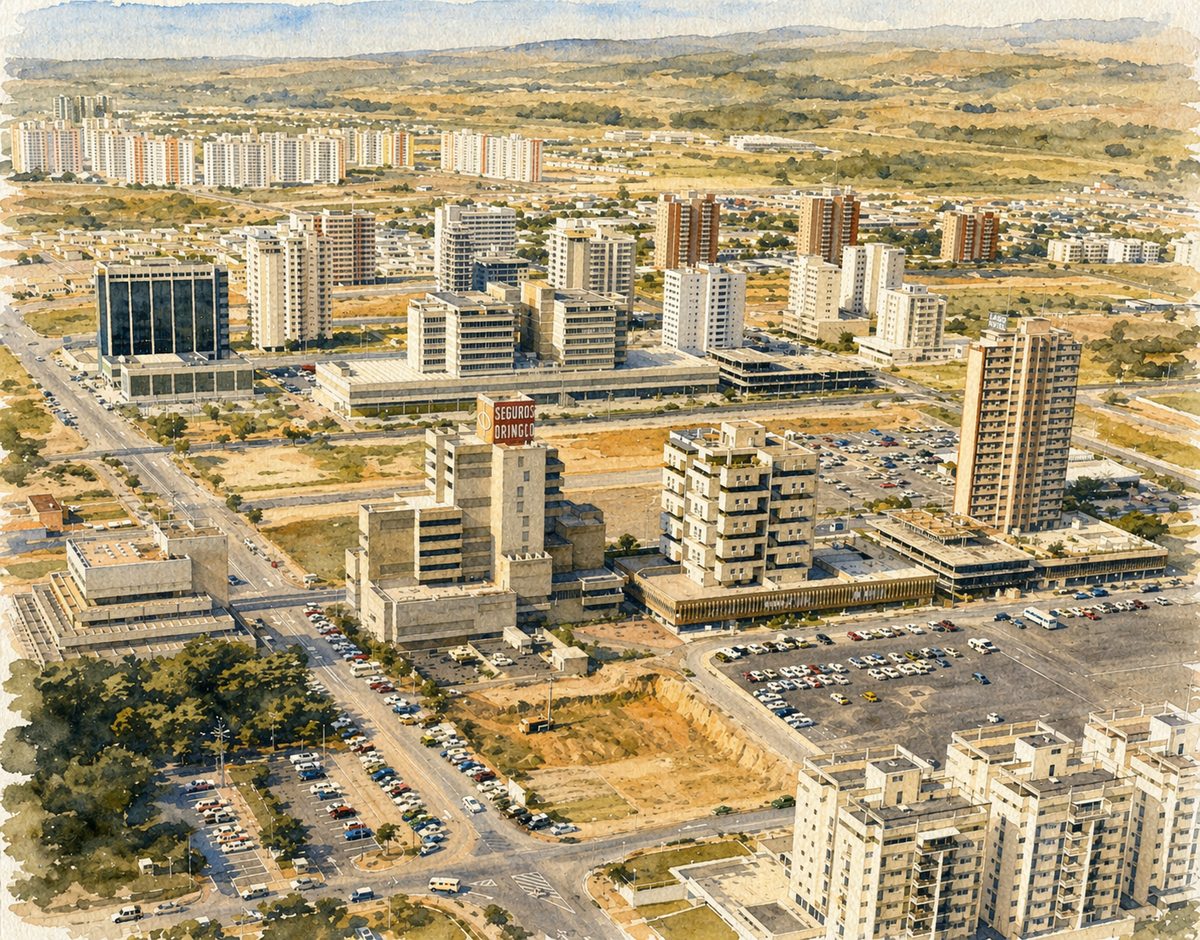
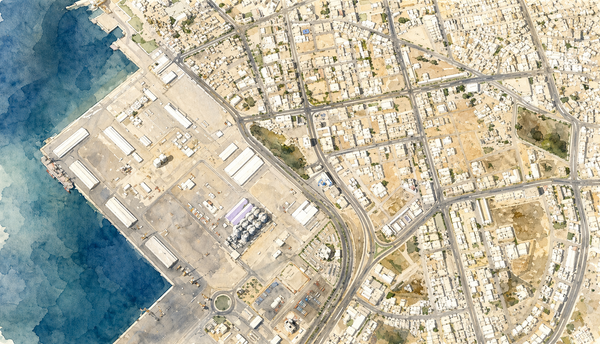
Guayana City, officially Ciudad Guayana, is a planned industrial city in Venezuela, founded in 1961 to support the country’s steel, aluminum, and hydroelectric industries. Located at the confluence of the Orinoco and Caroní Rivers, it was designed with a modern grid layout by the New York-based planner Wilbur Zelman to integrate industrial, commercial, and residential zones efficiently. The city’s economy revolves around hydropower from the Guri Dam, heavy industries, and mineral processing, making it one of Venezuela’s most significant industrial hubs. However, in recent decades, economic decline, political instability, and infrastructure deterioration have slowed growth. Despite its challenges, Guayana City remains a key part of Venezuela’s resource-driven economy, offering potential for industrial and urban revitalization.
Ciudad Guayana is a frontier new city. It was deliberately created in the 1960s as a planned industrial hub at the confluence of the Orinoco and Caroní rivers, rather than evolving organically from a single historic settlement. Backed by the Venezuelan government, it merged and expanded smaller communities like San Félix and Puerto Ordaz into a unified urban system designed to anchor heavy industry, especially steel and energy production. Unlike a district or suburban expansion, it introduced a new economic center with national strategic intent in Venezuela. Its planning, scale, and purpose place it firmly in the tradition of state-led frontier new cities.
Ciudad Guayana was one of Latin America’s most ambitious new-town projects, built to anchor regional development and heavy industry at the confluence of the Orinoco and Caroní rivers. Its industrial rise was tied to iron ore, steel, aluminum, and major hydroelectric infrastructure, and it grew into a substantial urban center rather than remaining a failed experiment.
Why not higher? Because Ciudad Guayana is mostly industrial and not that urban. The city reflects the limits of top-down industrial urbanism: it mattered enormously, but it did not become a universally admired urban model in the way its planners once hoped.
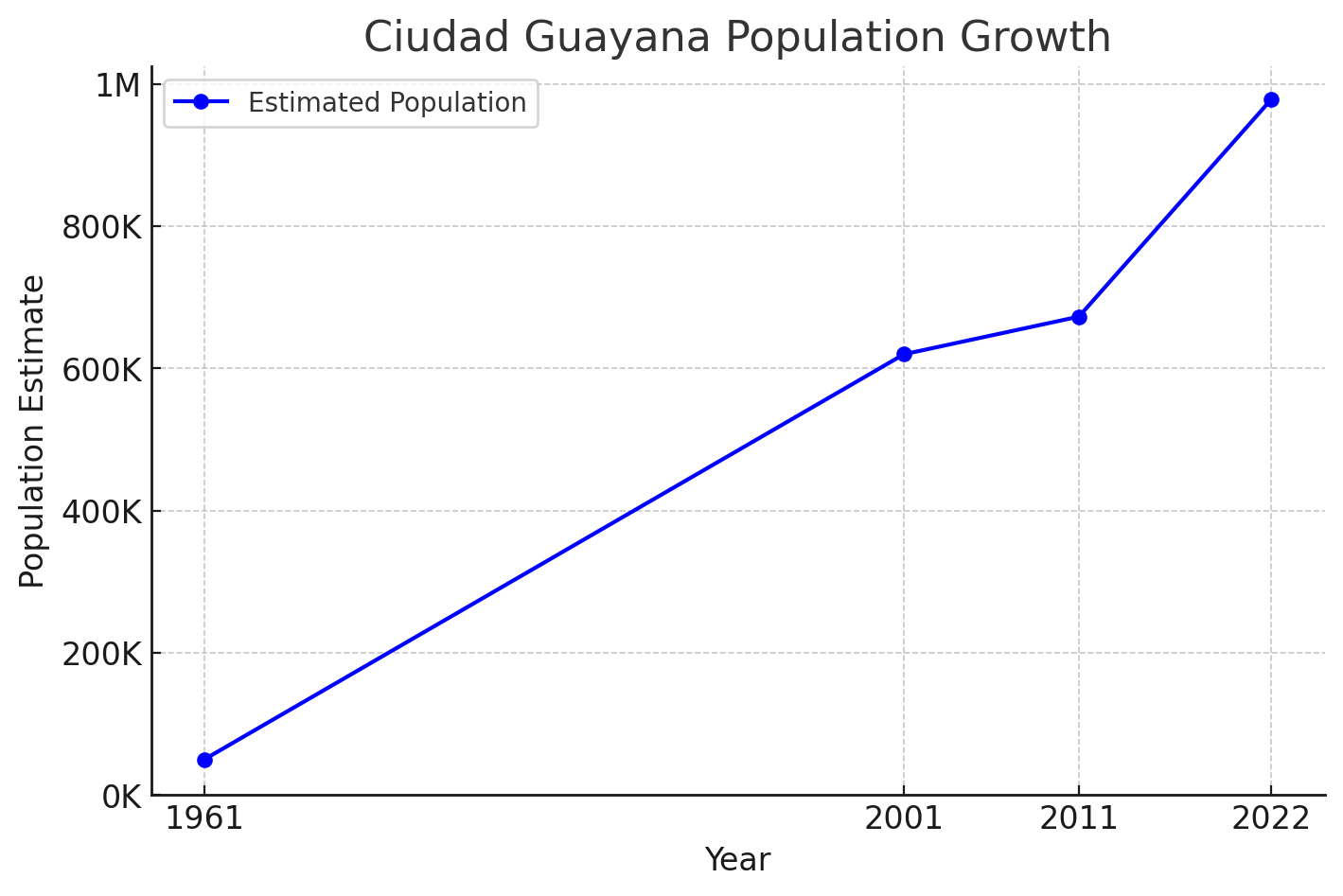
| Year | Population Estimate |
|---|---|
| 1961 | ~50,000 |
| 2001 | 619,784 |
| 2011 | 672,651 |
| 2022 | 978,202 |
DISCLAIMER: The information presented across New Cities Atlas reflects approximate understandings of each city's development status, population figures, statistics, and trajectory, compiled from publicly available sources. It should not be taken as verified or definitive fact. New city developments are, by their nature, a moving target, and information is often scarce, frequently imprecise, and subject to rapid change as projects evolve, stall, accelerate, or are revised entirely. We are doing our best to build as comprehensive and accurate a picture as we can of a phenomenon that resists easy documentation, and we appreciate your understanding of the inherent limitations in that effort.
If you have up-to-date information about any of the cities featured here and would like to help us improve our coverage, we would genuinely welcome hearing from you. Reach us at newcitiesatlas@gmail.com.